econiclay

Transforming Mineral Waste into Architectural Innovation

econiclay® TECHNOLOGY

Transforming Mineral Waste into Architectural Innovation

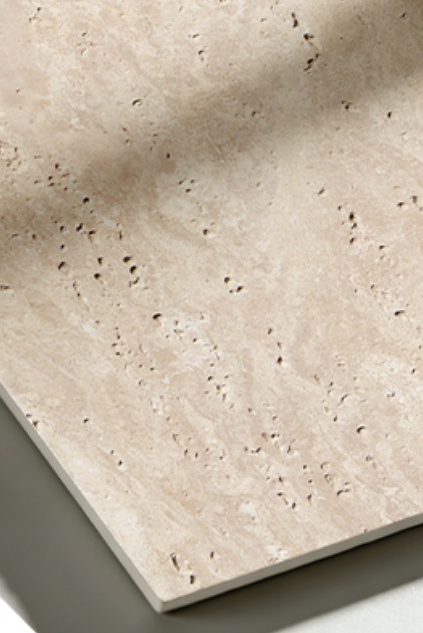
econiclay® is a mineral-based composite material technology used to produce Modified Clay Material (MCM) for lightweight, flexible, and durable architectural solutions. It transforms sustainable raw materials including soil, stone offcuts, and non-metallic mining residues into high-performance mineral-based materials.

PRODUCTION PROCESS

01
→

Waste Mineral Collection

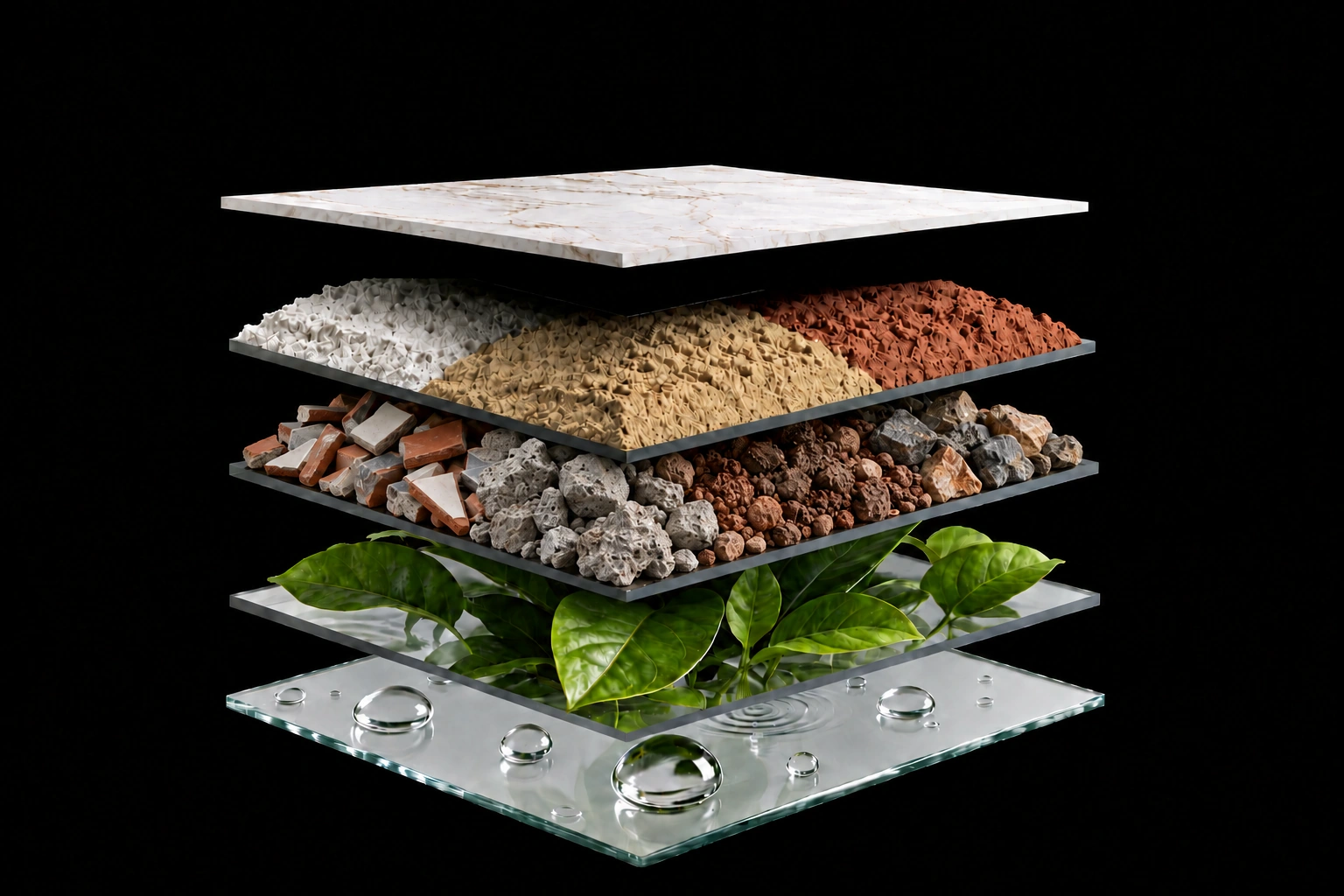
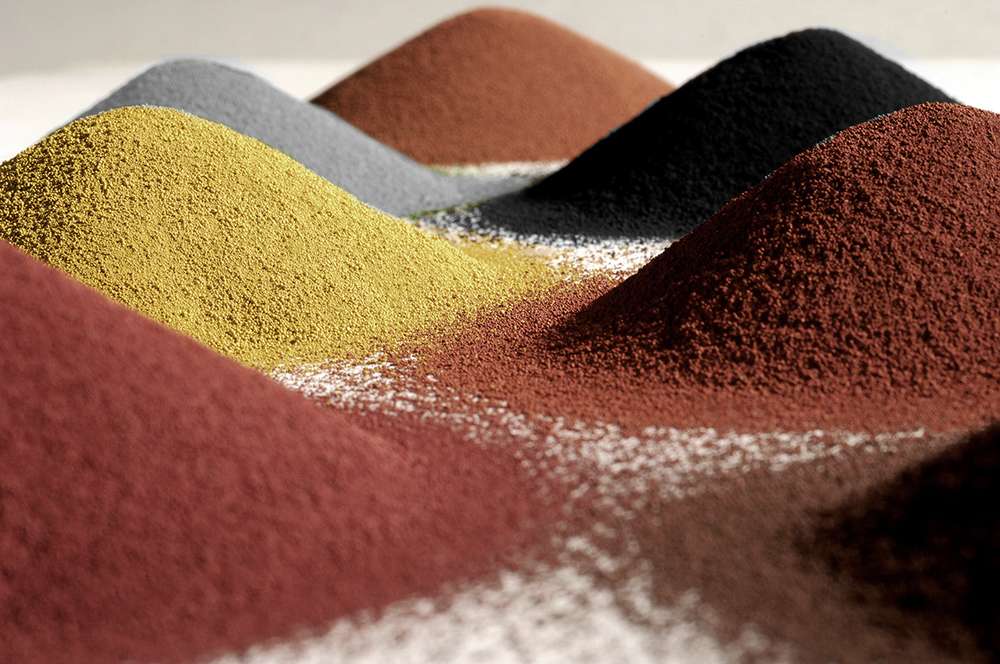
econiclay recycles and repurposes abundant inorganic minerals: soil, stone offcuts, waste brick and ceramic, sand.
02
→

Micro-Powder Processing

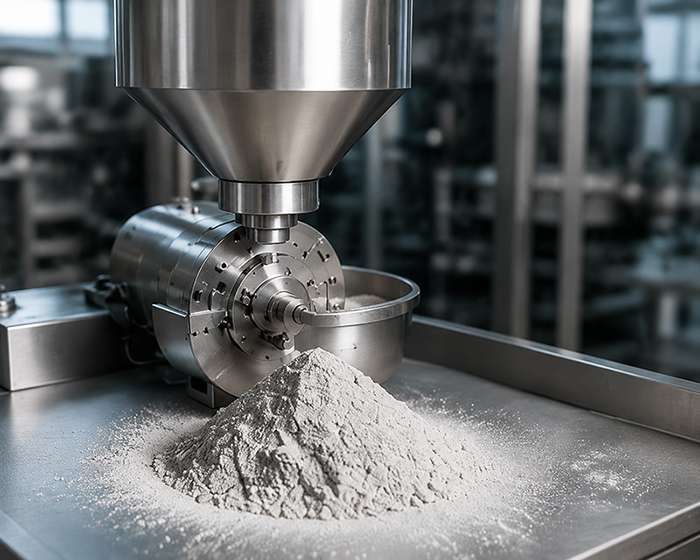
Raw minerals are sorted, crushed, and refined into micro-powders.
03
→

econiclay Activation Technology

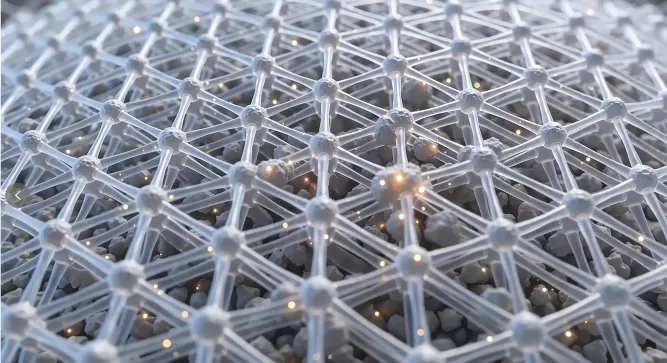
The powders undergo low-temperature econiclay activation, forming a multi-layer network of active inorganic particles.
04
→

Surface Products Formation

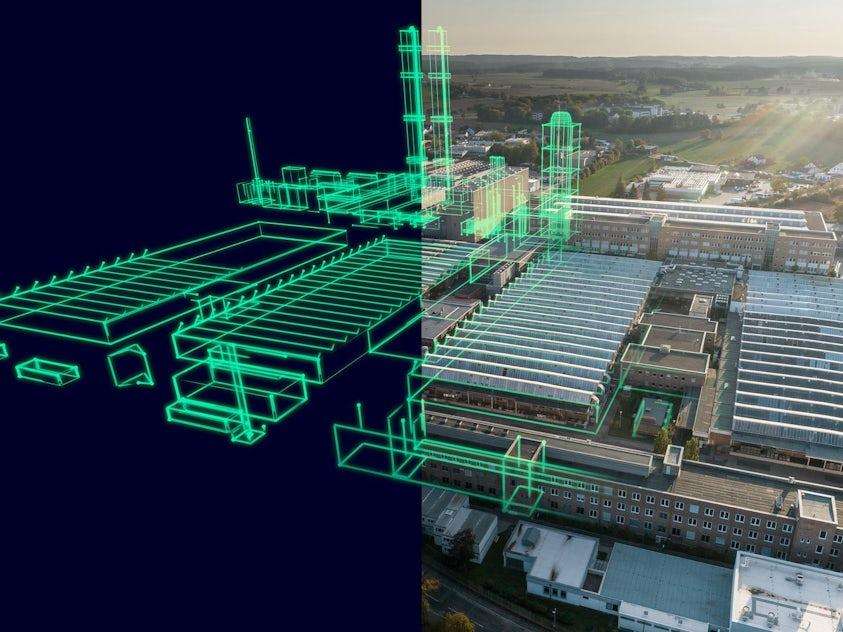
Materials are shaped at 90°C using clean energy from combined heat and power (CHP).

econiclay Sustainability System

Waste-to-Value Innovation

econiclay is an innovative material technology that transforms low-carbon inorganic solid waste into high-performance sustainable materials. By utilizing resources such as soil, stone waste, and mineral tailings as raw materials, econiclay enables resource regeneration while reducing reliance on traditional raw materials and lowering environmental impact.
Waste-to-Value Innovation illustration

Product Recyclability

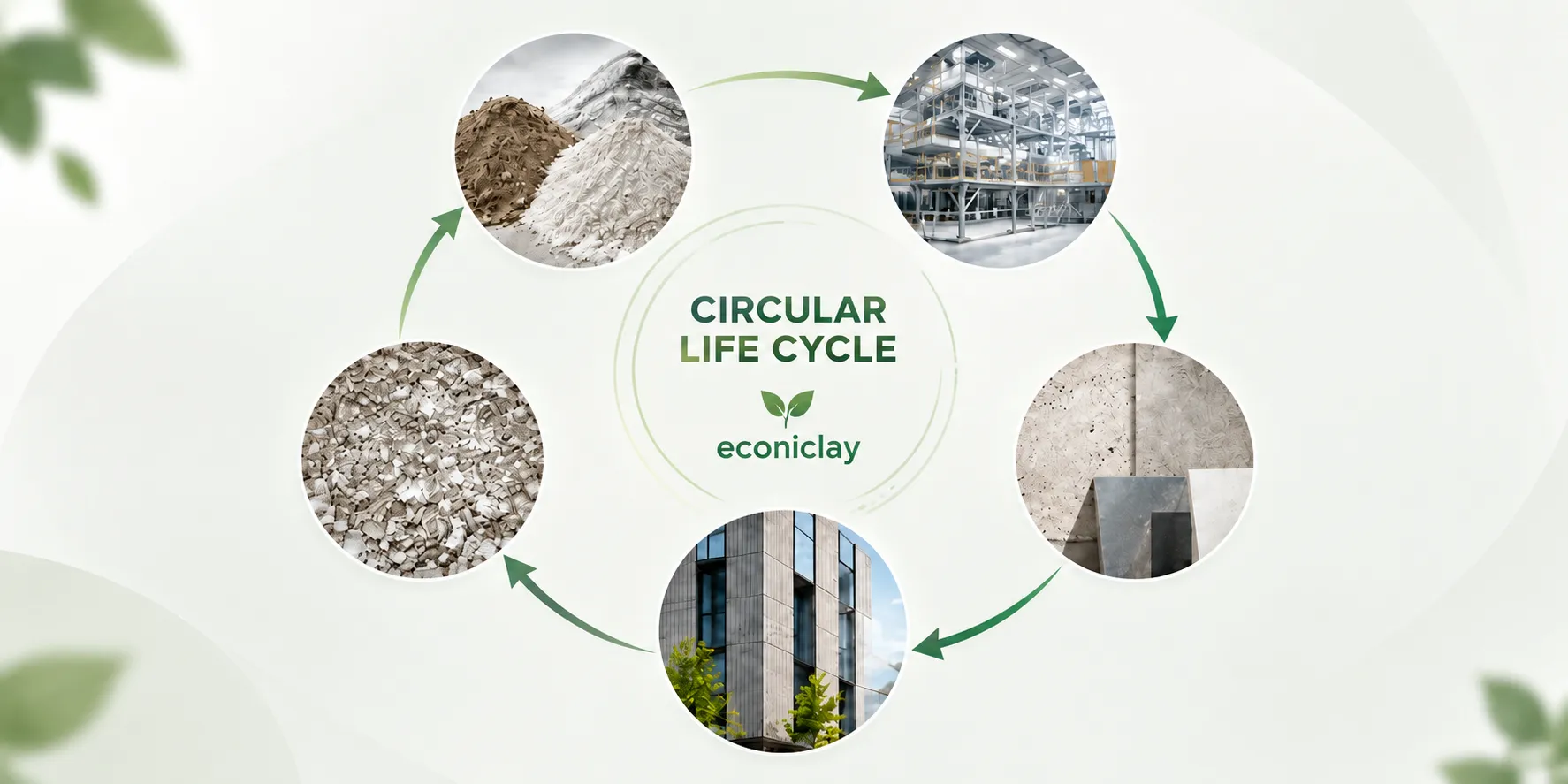
Unlike traditional building materials that often become waste after demolition, econiclay is developed with a circular approach throughout its lifecycle. At the end of its service life, econiclay-based products can be recycled and reintroduced into the production process, creating a closed-loop material cycle.
Product Recyclability illustration

Low-Carbon & Clean Manufacturing

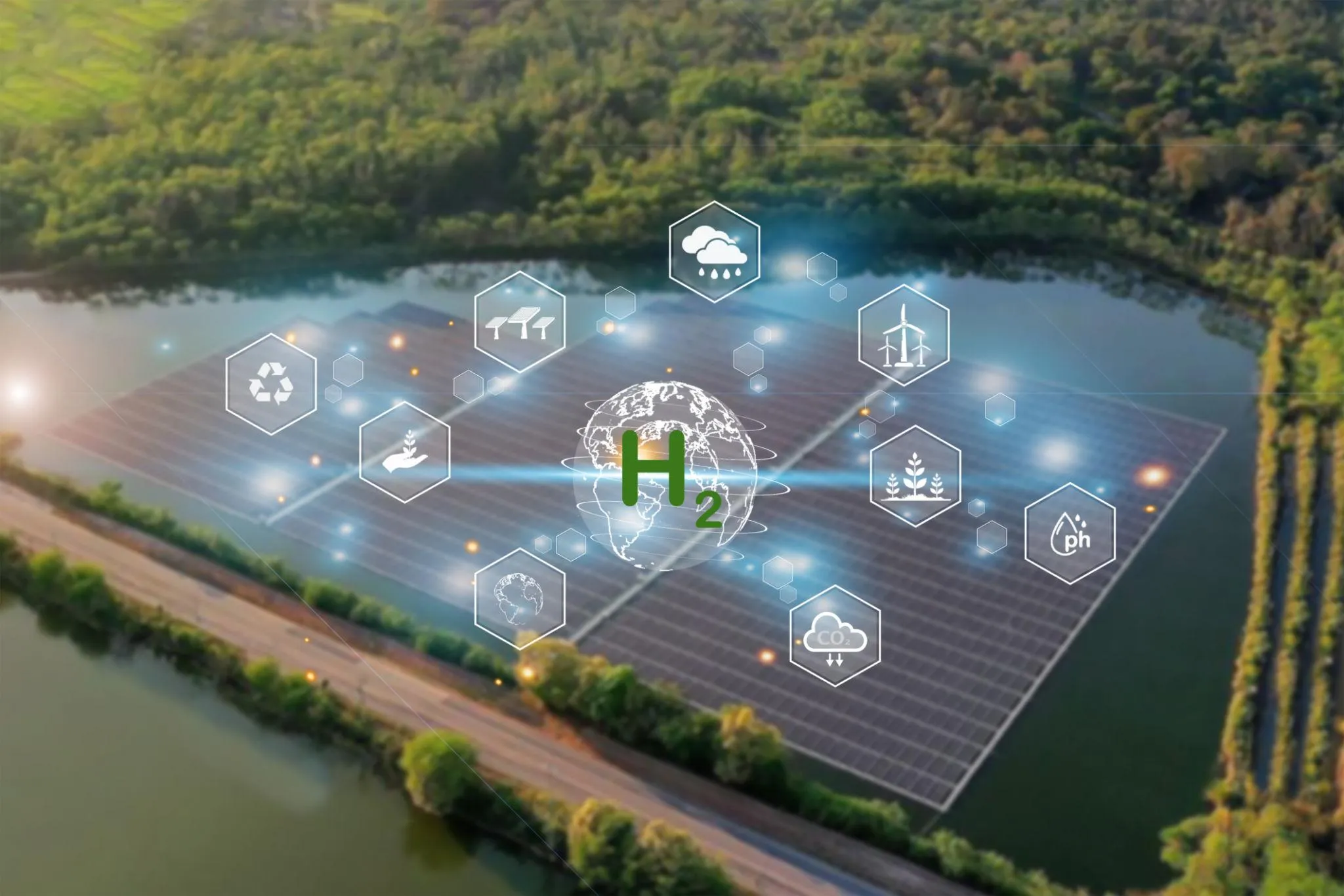
Powered by renewable energy and low-temperature manufacturing, econiclay enables a cleaner and more energy-efficient production process with significantly reduced carbon emissions. As a low-emission mineral-based material, econiclay helps minimize harmful emissions during production and application, contributing to healthier indoor environments and cleaner outdoor spaces.
Low-Carbon & Clean Manufacturing illustration

Water & Soil Protection

Through an advanced steam condensation and water recycling system, econiclay optimizes water utilization during manufacturing, enabling efficient water reuse and minimizing wastewater generation. As an inorganic mineral-based material, econiclay contains no harmful organic substances and does not release pollutants into the environment after use, helping protect soil and groundwater quality.

Water & Soil Protection illustration

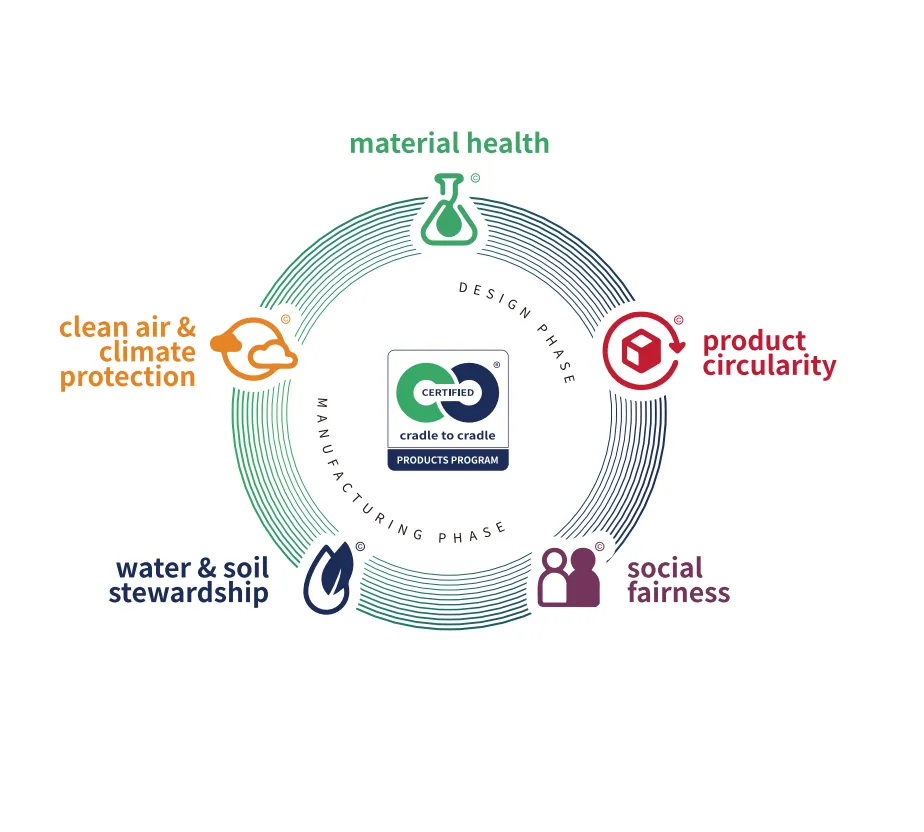
econiclay Achieves Cradle-to-Cradle Accreditation

Our econiclay is made from natural, non-toxic materials like soil, stone waste, and non-metallic tailings. These materials are processed into micro-powders and treated with special surfactants to ensure the final product is free from harmful ingredients and emissions.
Designed for circular use, econiclay surfaces support material recovery and reduced waste across the full product lifecycle.
Low-temperature forming and responsible material sourcing reduce carbon impact while supporting clean indoor and outdoor environments.
Reclaimed water and low-waste production reduce pressure on local water and soil systems.
PHOMI aligns material innovation with safer production, durable applications, and long-term environmental responsibility.
Cradle to Cradle accreditation five impact categories

WE REDEFINE MATERIALS FOR A LOW-CARBON FUTURE

Architecture is changing—and materials must change with it. Econiclay is designed to reduce environmental impact from source to application, replacing traditional resource-intensive surfaces with smarter, more responsible alternatives.

Architectural Innovations Powered by econiclay®

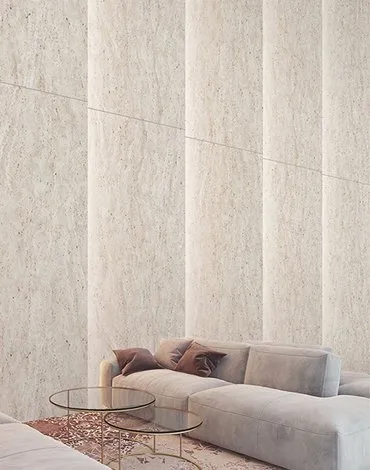
Flexible and lightweight architectural panels for interior and exterior surfaces
Energy-generating photovoltaic stone facades for sustainable buildings
Digital architectural surfaces integrating media display with interior and outdoor walls

Where econiclay Performs

Building materials

Automotive interiors

Furniture

Electronics casings

Mixing econiclay materials with different polymers derives different eco-materials, suitable for all kinds of applications. econiclay-derived materials are an eco-friendly alternative to plastics, with superior flexibility, reduced thermoplasticity, Class A fire resistance, and cradle-to-cradle lifecycle sustainability.